My goal is to turn large language models that answer questions into systems that complete tasks.
I work on large language model systems, model safety, and agent engineering, with an emphasis on turning research into working systems. My research on multimodal large language models and safety spans adversarial attacks, privacy protection, and representation analysis, extending these questions into evaluation harnesses, behavior control, and system prototypes.
INDEX / Research dossier
Research
Research tracks
3 tracks
01TRACK
LLM / MLLM systems
Turning model capabilities into system capabilities through multimodal reasoning, research harnesses, and evaluation loops.
Multimodal large language models (MLLMs)
Inference frameworks, evaluation systems, and deployment
Reproducible experiments and systematic validation
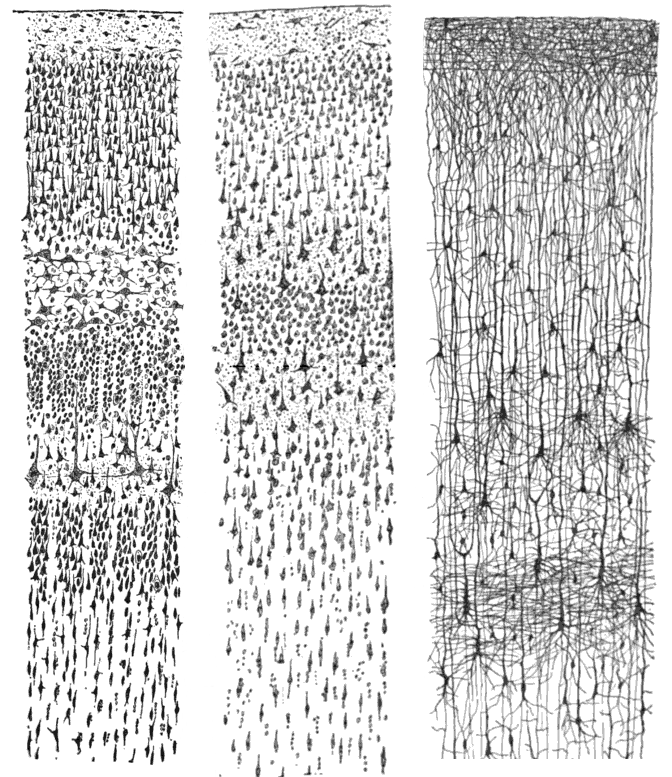
From Cajal's comparative studies of the human cerebral cortex. Layers, connections, and local structures offer a historical perspective for these systems research notes.
Santiago Ramón y CajalPublic domain; original work from 1899, digital composite assembled in 2009.

02TRACK
Model safety
Studying model vulnerabilities in open environments and how to make safety mechanisms transferable and controllable.
Compare the heavy lines in the middle and right drawings, then return to the left. The same visual cues support different spatial interpretations—a historical reference for uncertainty in perception and judgment.
Illustration in Joseph Jastrow's The Mind's Eye; artist uncreditedPublic domain; figures 13, 13a, and 13b in the 1899 publication.
03TRACK
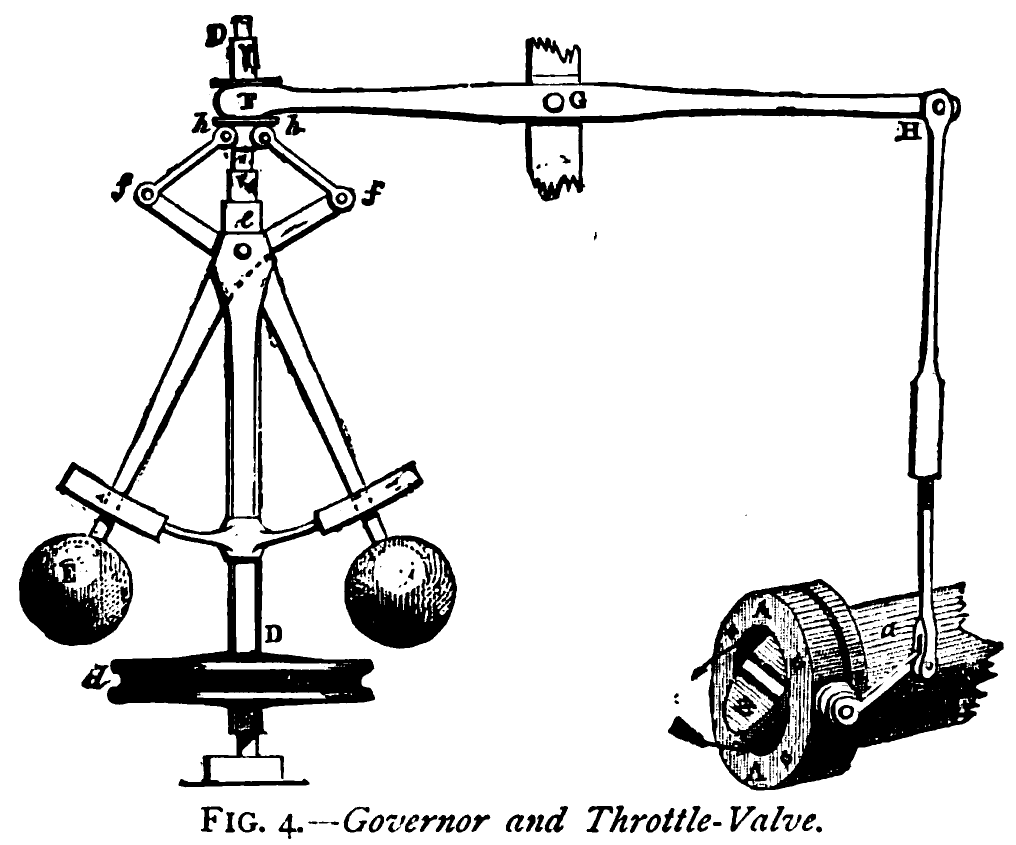
Agent engineering
Moving beyond one-off prompts toward maintainable, measurable, and iterative systems engineering.
The governor feeds changes in rotational speed back into valve control. Sensing, feedback, and action form a closed loop, providing a tangible reference for feedback in systems engineering.
Historical illustration from a work by R. RoutledgePublic domain; illustration from the 13th edition of Discoveries & Inventions of the Nineteenth Century.
Selected Publications
Papers and research
Published and accepted papers, with their research questions, methods, and experiments.
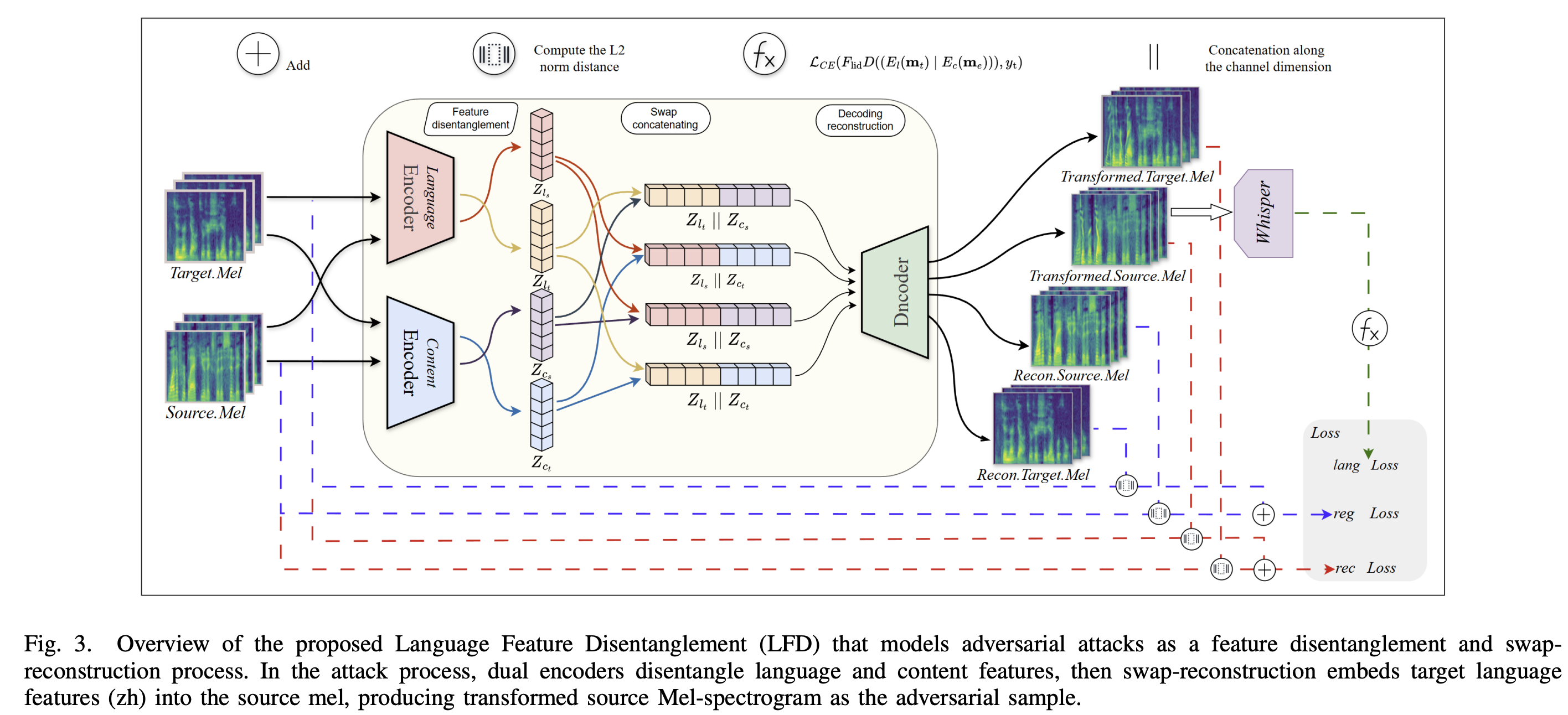
Universal multilingual adversarial perturbations for speech privacy against Whisper
Language feature disentanglement and gradient optimization produce transferable perturbations that reduce Whisper’s ability to transcribe sensitive speech.
Fig. 3
Language feature disentanglement (LFD): separating language and content features, then reconstructing exchanged features to generate Mel spectrograms with target-language features.
Combining dual-excitation fluorescence ratios, carbon-dot sensing, and machine learning for sensitive quantification and discrimination of oxicam drugs.
How the code, runtime boundaries, and test contracts organize topic-first discovery, reading-first articles, and restrained interaction into a shared design language.
Estimated reading time: 7 min read7 min read2 topics2 topics1 concepts1 concepts